

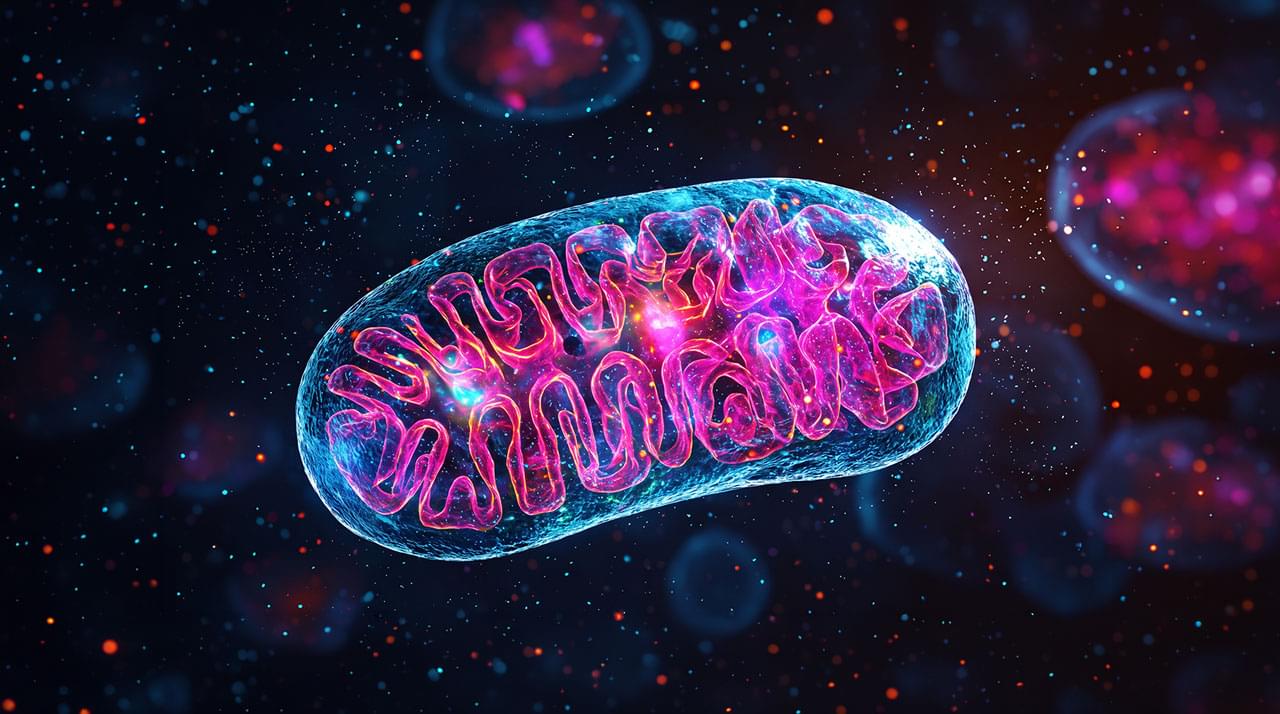
Most obesity drugs act on appetite. MT-1101, a once-daily oral small molecule, works on the other side of energy balance. It selectively reaches mitochondria, the cell's energy centres, and indirectly accelerates their natural fat-burning process, so the body spends more energy rather than simply taking in less. Because MT-1101 works through the cell's own machinery rather than forcing it, it avoids the runaway energy dissipation and narrow safety margins that have held back classical protonophores.
In preclinical models of obesity, MT-1101 has shown:
Weight loss comparable to a GLP‑1 receptor agonist, up to 27% in both rodent and non-rodent models, without the lasting impact on appetite of GLP-1 RAs.
Fat loss with lean mass preserved.
Additional weight loss when combined with a GLP‑1 RA.
Weight maintained after GLP‑1 treatment is stopped, even as appetite normalizes.
Improved glucose handling.

MASH is driven by two linked problems: fat building up in the liver, and liver cells dying under the stress it causes. MT-1101 is designed to address both. By accelerating the liver's natural fat-burning process, it helps clear accumulated liver fat. And by protecting liver cells from ferroptosis, a form of cell death driven by damage to cell membranes, it aims to slow the injury that leads to inflammation and fibrosis. In preclinical models, MT-1101 reduced liver fat and markers of liver injury and improved overall disease severity.

MT-1101 has completed its IND-enabling GLP toxicology studies. A Phase 1b study in high-BMI population is planned for 2027.
